Educational Article
Daily Light Exposure and Metabolic Health

Light as a Signal for Metabolic Timing
Light is one of the most potent signals available to living organisms. For organisms with eyes, light provides information about the time of day, season, and immediate environment. Beyond vision, light exposure triggers numerous physiological cascades that regulate metabolism, hormone production, and other biological processes. Understanding light's role in metabolic health requires examining multiple biological pathways through which light signals influence metabolic function.
Circadian Clock Entrainment and Metabolic Synchronization
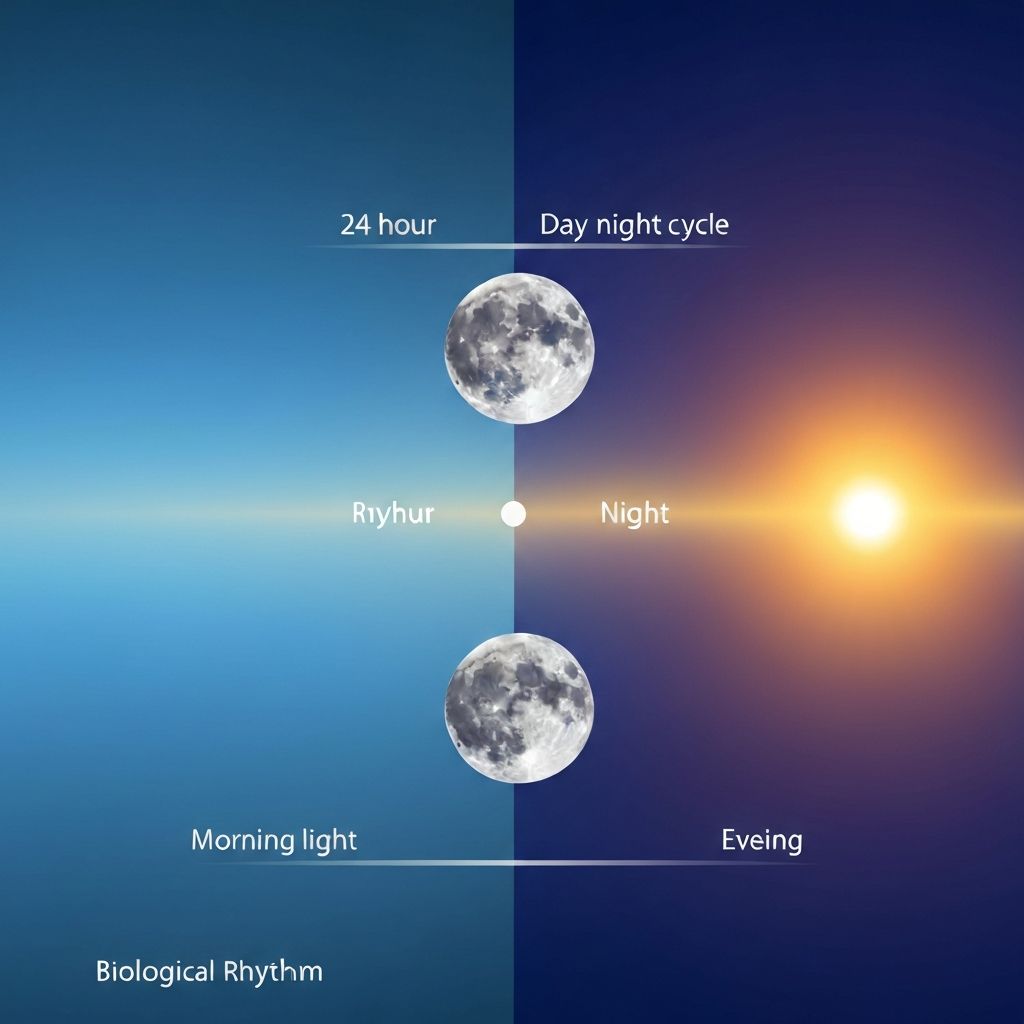
As discussed in previous articles, light exposure synchronizes the body's internal circadian clocks. This synchronization is fundamental to metabolic health because circadian desynchrony—when internal rhythms are misaligned with the external 24-hour day—is associated with metabolic dysregulation in populations studied by researchers.
Morning light exposure is particularly potent for circadian entrainment. Bright light in the early morning sends strong signals to the brain's circadian clock, triggering alertness, elevated core body temperature, and increased metabolic rate. This natural morning response prepares the body for daytime activity and aligns internal metabolism with typical activity patterns.
Conversely, evening light exposure (particularly blue light from artificial sources) can suppress melatonin production and delay circadian phase, creating misalignment between internal clocks and actual sleep timing. This artificial timing mismatch may disrupt metabolic coordination.
Effects on Hormone Production and Metabolic Hormones
Light exposure directly influences production of several hormones that regulate metabolism:
Cortisol Regulation
Morning light exposure promotes cortisol production through its effects on circadian phase. Cortisol is a glucocorticoid hormone that promotes glucose mobilization and wakefulness. Light-regulated cortisol rhythms support the natural progression of activity levels through the day. Disrupted light exposure can lead to abnormal cortisol timing, potentially affecting daily energy patterns and metabolism.
Melatonin Suppression and Nighttime Metabolic Shifts
Evening light exposure suppresses melatonin production, delaying sleep initiation and disrupting the nighttime metabolic shifts that normally occur. Melatonin does not only promote sleep—it also influences metabolism, with melatonin having effects on glucose metabolism and energy homeostasis. Extended light exposure into evening hours reduces melatonin-mediated metabolic adaptations for sleep and recovery.
Growth Hormone and Leptin
Growth hormone secretion occurs primarily during sleep, particularly deep sleep. Light exposure affecting sleep quality and timing indirectly influences growth hormone production. Leptin, a hormone involved in energy homeostasis and satiety signaling, shows circadian rhythm variation influenced by light-dark cycles. Circadian desynchrony affects leptin production and may influence hunger and satiety regulation.
Vitamin D Synthesis and Metabolic Effects
Sunlight exposure triggers vitamin D synthesis in skin through a photochemical reaction. Vitamin D is required for calcium absorption and has numerous other biological effects including immune regulation and metabolic function. Individuals with limited sunlight exposure often develop vitamin D insufficiency, with potential metabolic consequences.
Different intensities of ultraviolet radiation, which varies by latitude, season, and time of day, produce different rates of vitamin D synthesis. Geographic regions with intense year-round sunlight support more consistent vitamin D production compared to regions with seasonal variations in available sunlight.
Light Intensity and Energy Expenditure
Beyond circadian effects, light intensity directly influences alertness and physical activity levels. Bright light exposure increases alertness, promotes more active behavior, and increases physical activity-related energy expenditure. Conversely, dim indoor lighting fails to fully activate alertness pathways, potentially reducing activity levels.
This relationship helps explain why individuals in naturally bright environments often show higher daily activity levels compared to those primarily in artificially lit indoor environments. The increased activity itself influences metabolic rate and energy balance independent of other light-related effects.
Metabolic Rate and Thermoregulation
Core body temperature, which reflects metabolic rate, shows circadian variation partly driven by light exposure. Morning light exposure elevates core temperature through thermoregulation and increased metabolic activity. Evening darkness allows core temperature to decline in preparation for sleep. This natural temperature rhythm supports efficient metabolic function and sleep quality.
Disruptions to light-dark exposure patterns can desynchronize core temperature rhythms, potentially affecting metabolic efficiency and sleep quality. Some research suggests that maintaining normal circadian temperature patterns supports more stable metabolic function.
Seasonal Light Variation and Metabolic Adaptation
Seasonal changes in photoperiod (day length) are detected by the body and influence metabolic adaptation. Regions with pronounced seasonal changes in daylight duration show corresponding seasonal variations in activity levels, energy consumption, and metabolic patterns in their populations.
Winter's reduced daylight and lower light angles result in decreased light exposure intensity. In populations at high latitudes with extreme seasonal changes, winter is associated with reduced activity and altered energy utilization patterns. These are natural metabolic adaptations to seasonal environmental changes.
Modern Light Environments and Metabolic Health
Modern indoor environments present novel challenges to light exposure patterns that evolved in natural outdoor settings. Electric lighting extends evening activities well beyond sunset and reduces daytime light intensity compared to outdoor environments. Artificial light typically has different spectral composition than natural sunlight, potentially providing less effective circadian stimulation.
Additionally, the prevalence of indoor activities reduces total light exposure, particularly high-intensity light exposure necessary for strong circadian entrainment. Some research suggests these environmental changes contribute to metabolic dysregulation patterns observed in modern populations.
Individual Variation in Light Sensitivity
While light's effects on circadian rhythms and metabolism are universal biological principles, individual sensitivity to light varies. Chronotype—whether individuals are naturally more alert in morning or evening hours—affects how individuals respond to light exposure timing. Some individuals' circadian clocks are more strongly entrained by light than others, reflecting individual genetic differences.
Geographic latitude also influences light exposure patterns. Populations at high latitudes experience extreme seasonal variations with very long summer days and very short winter days. Populations at tropical latitudes experience more consistent year-round day length. Individual circadian systems have adapted to these environmental conditions through evolution.
Context and Individual Factors
This article presents scientific information about how light exposure influences circadian rhythms, hormone production, and metabolic processes. It describes biological mechanisms through which light affects metabolism. However, this information describes general biological principles and population-level observations—not specific guarantees about metabolic outcomes for any individual person.
Individual metabolic health depends on numerous factors including genetics, overall activity levels, nutrition, sleep quality, stress, and many other variables. Changes to light exposure are one potential environmental factor that could theoretically influence metabolic health, but cannot be isolated as a sole determinant of metabolic outcomes.
This article is educational content only and does not constitute medical advice or recommendations for any individual's health decisions.